Bio Nil

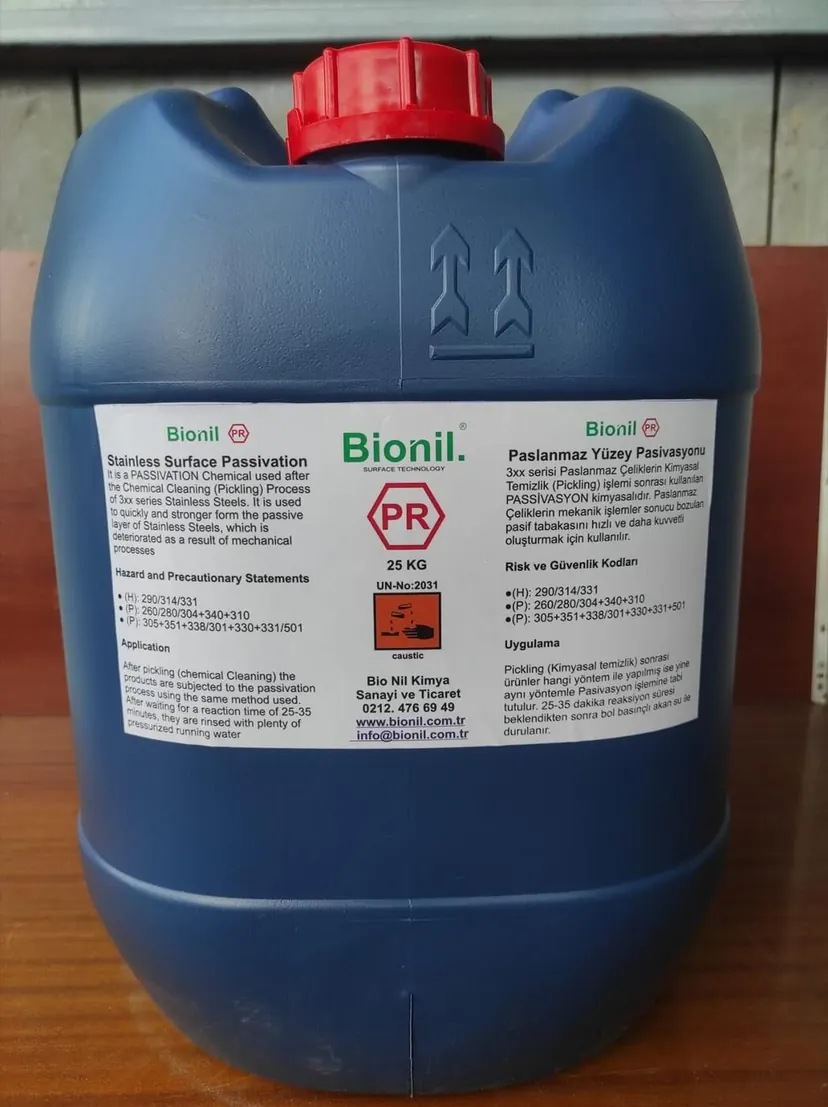
Bionil PR Passivation Solution

Stainless Steel Passivation

Bionil PR Passivation Solution
Bio NilPRZoom
Bio Nil· PR

Bionil PR Passivation Solution

Stainless Steel Passivation

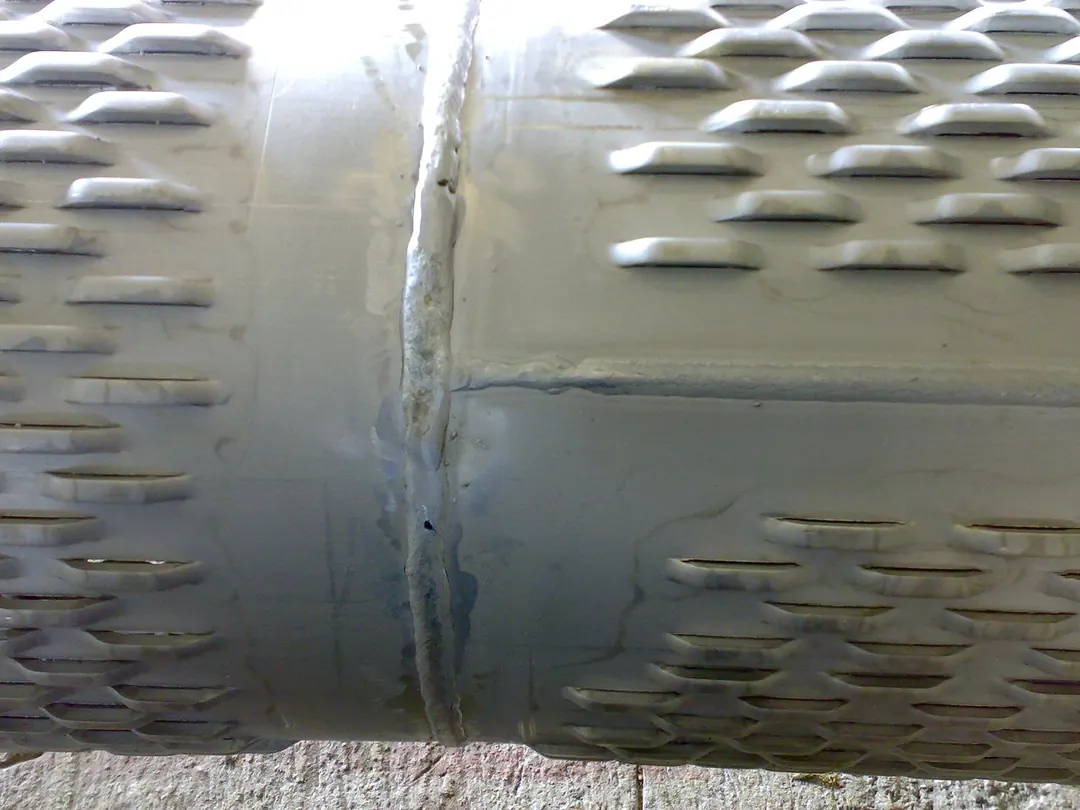
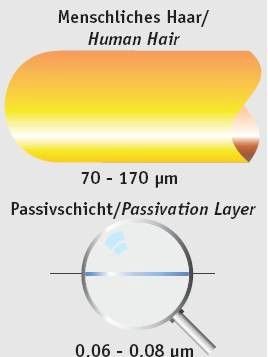
The surface of stainless steels is covered with a microscopically thin protective layer against corrosion. This layer is called the passive layer. The passive layer is homogeneous, hard, impermeable and protective. The passive layer forms on surfaces that have been cleaned with pickling chemicals and have reached metallic brightness. Even the smallest contamination on the surface prevents this layer from forming. After the pickling process, Bionil PR Passivation Solution accomplishes the formation of this layer in a very short time.
Key Features

  • Forms the passive layer in a very short time
  • Homogeneous, hard, impermeable layer
  • Maximum protection against corrosion
  • Guaranteed layer formation after pickling
  • Can be applied by spray, immersion or brush
Application Images

The product in application

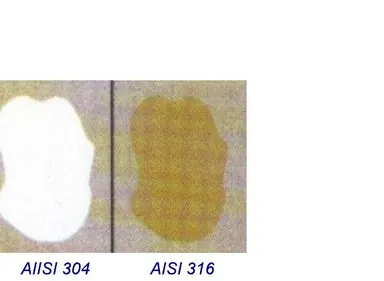
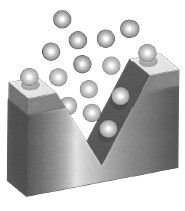
Surface with a formed passive layer (left) versus iron particles penetrating as a result of the passive layer breaking down (right)
Surface with a formed passive layer (left) versus iron particles penetrating as a result of the passive layer breaking down (right)

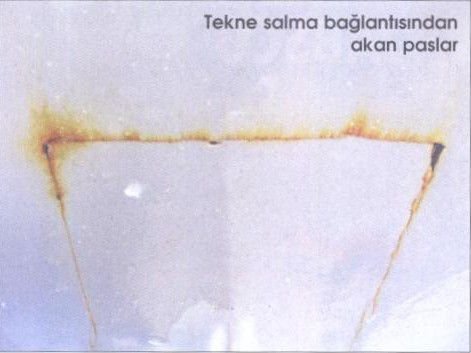
Rust streaks running from a boat keel joint — problems experienced in marine applications when there is no passive layer
Rust streaks running from a boat keel joint — problems experienced in marine applications when there is no passive layer

Surface with a formed passive layer: since the protective layer is present, iron particles cannot adhere to the surface and rusting cannot occur
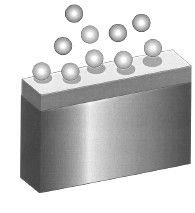
Surface with a formed passive layer: since the protective layer is present, iron particles cannot adhere to the surface and rusting cannot occur

Passive layer rebuilt with Bionil Pickling Chemicals and Bionil PR — iron particles cannot penetrate

Passive layer rebuilt with Bionil Pickling Chemicals and Bionil PR — iron particles cannot penetrate

Technical Properties

Specifications

PropertyValue
FormLiquid (brush/immersion/spray)
Reaction time~30 minutes
Consumption6-10 m²/kg
ApplicationBy brush, immersion or spray onto a surface previously cleaned with Bionil PF/P3
Passive layer thickness0.06-0.08 µm (a human hair is 70-170 µm thick)

Material Compatibility

AISI 304AISI 316AISI 321All stainless steels
Usage Areas

Where is it used?

  • Passivation after pickling
  • Boat and marine applications
  • Industrial tank protection
  • Food equipment passivation
Application Procedure

Step-by-step usage

  1. 01

    The surface must first be cleaned with Bionil PF or Bionil P3 and have reached metallic brightness

  2. 02

    Apply Bionil PR to the surface by brushing, immersion or spraying

  3. 03

    Wait for a reaction time of ~30 minutes

  4. 04

    Rinse the surface with clean pressurized water

  5. 05

    Perform a passivation test (re-apply Bionil PR if necessary)
Application step01 / 05
01

The surface must first be cleaned with Bionil PF or Bionil P3 and have reached metallic brightness

  • 01

    The surface must first be cleaned with Bionil PF or Bionil P3 and have reached metallic brightness

  • 02

    Apply Bionil PR to the surface by brushing, immersion or spraying

  • 03

    Wait for a reaction time of ~30 minutes

  • 04

    Rinse the surface with clean pressurized water

  • 05

    Perform a passivation test (re-apply Bionil PR if necessary)
Hazard ClassificationGHS / CLP — typical reference

Danger
Corrosive (GHS05)
Corrosive (GHS05)
Irritant (GHS07)
Irritant (GHS07)

Hazard Statements (H)

  • H290May be corrosive to metals.
  • H314Causes severe skin burns and eye damage.
  • H335May cause respiratory irritation.

Precautionary Statements (P)

  • P280Wear protective gloves/protective clothing/eye protection/face protection.
  • P260Do not breathe mist/vapours/spray.
  • P305+P351+P338IF IN EYES: Rinse cautiously with water for several minutes. Remove contact lenses, if present and easy to do. Continue rinsing.
  • P303+P361+P353IF ON SKIN (or hair): Take off immediately all contaminated clothing. Rinse skin with water or shower.
  • P310Immediately call a POISON CENTER or doctor.

The classification above shows typical reference values for acid-based pickling/passivation products. Always refer to the product's current Safety Data Sheet (SDS/MSDS) for binding information; contact us for product-specific classification.
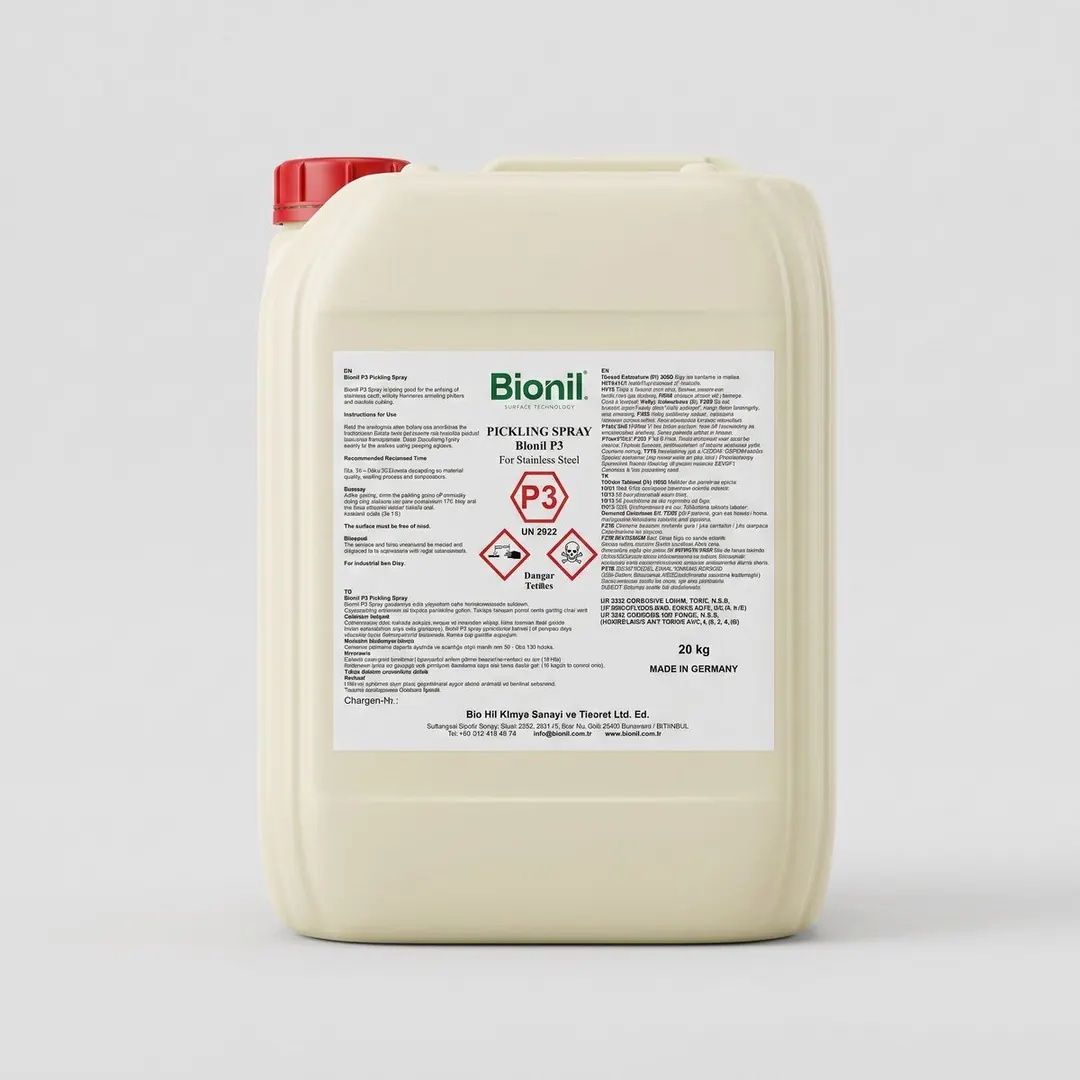
Safety Warnings

  • Use personal protective equipment such as goggles, gloves and an apron
  • In case of skin contact, rinse with plenty of water