Bio Nil
WB
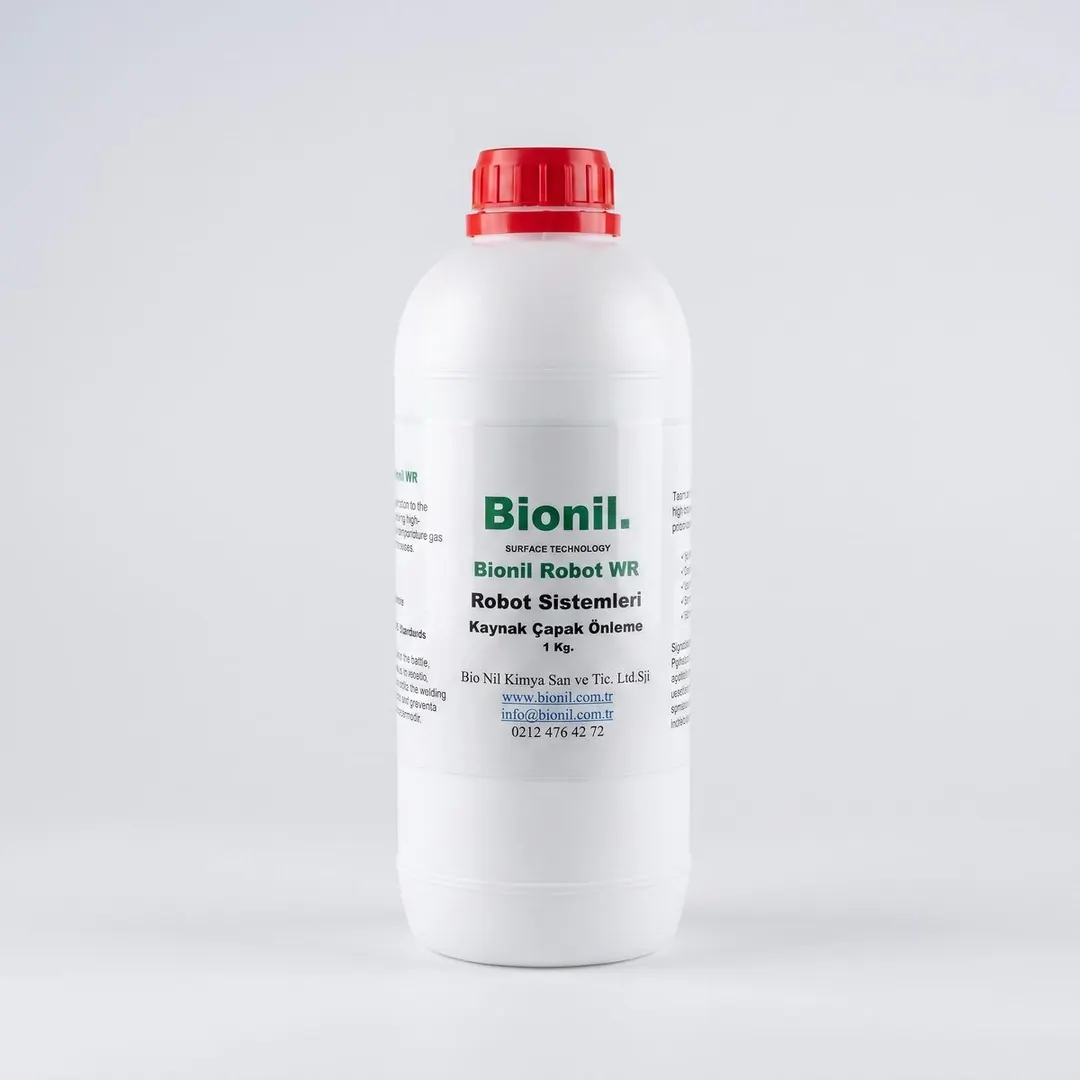
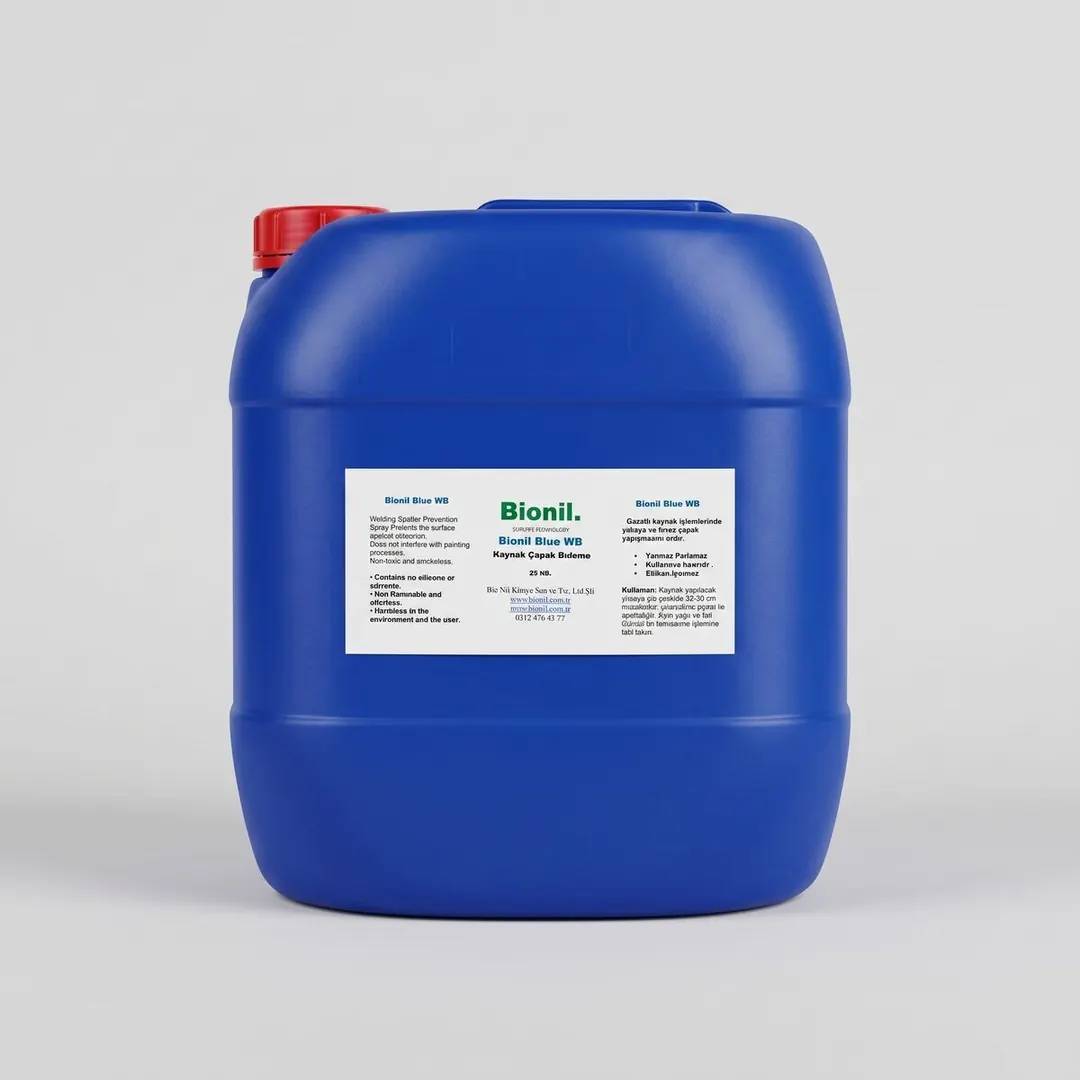
Bionil WB Anti-Spatter
MIG/MAG Welding Anti-Spatter
Prevents flying spatter and molten slag from sticking to the metal surface and the torch during welding, plasma and laser cutting. No corrosion occurs. Contains no silicone.
View
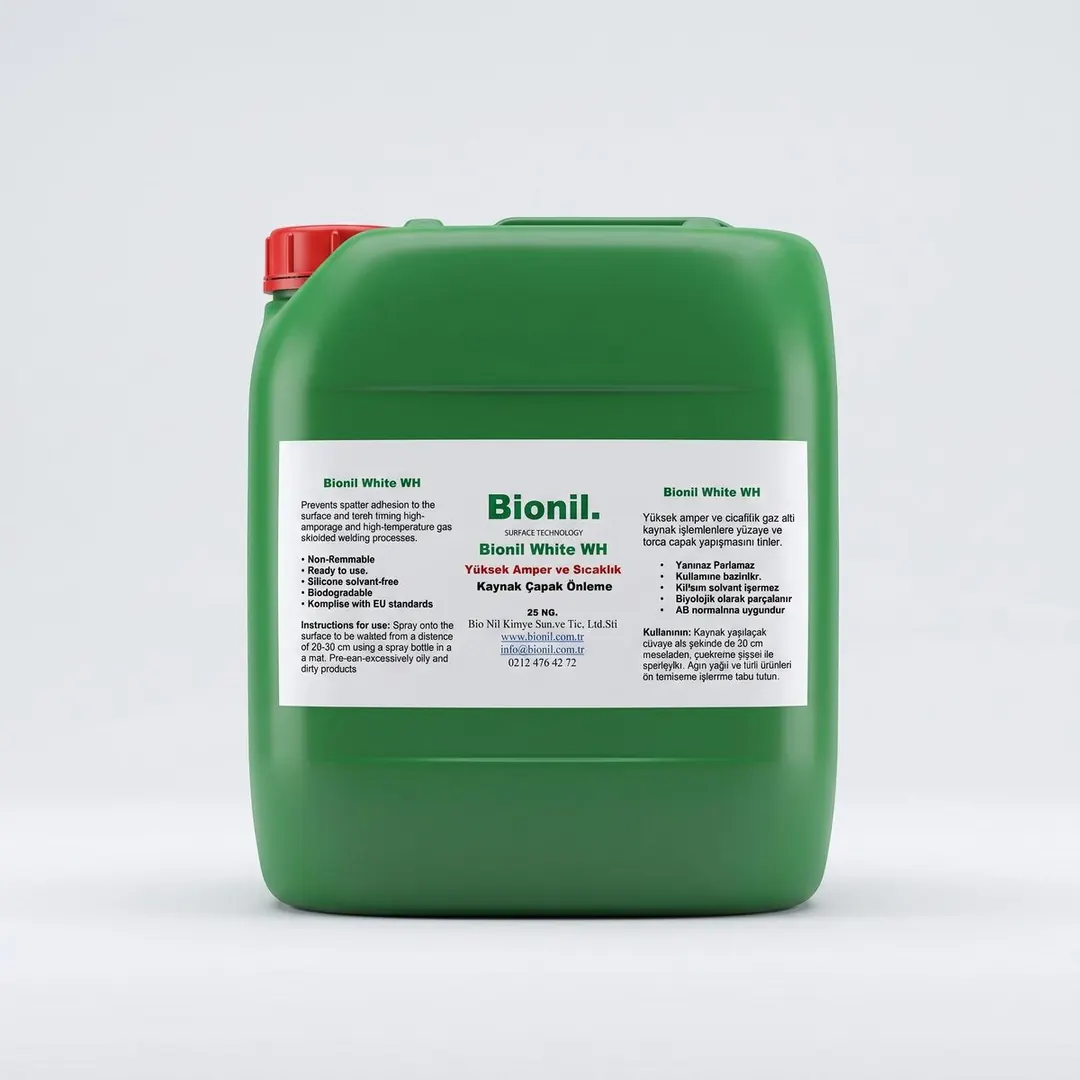
For High Amperage and Galvanized Surfaces
Bionil WH is used in high-amperage (400 A and above) welding processes, on galvanized surfaces and on very hot surfaces. The application method is the same as for Bionil WB.
| Property | Value |
|---|---|
| Form | Liquid (spray/brush) |
| Current range | 400 A and above |
| Surface | Compatible with galvanized and very hot surfaces |
| Corrosion | No corrosion occurs |
Spray onto the weld zone from a distance of 25-30 cm or apply with a brush
Proceed with welding after it has dried
For standard MIG/MAG welding operations below 400 A, Bionil WB is the ideal choice. WH is optimized for the extreme heat and aggressive spatter generated by high amperage; for low-amperage work WB is both more economical and entirely sufficient.
The galvanized coating (zinc) vaporizes at high heat, producing aggressive gases and oxides. The WH formula contains a chemistry that, under these specific conditions, does not react with the surface, does not dissolve the coating and does not increase fumes. WB cannot provide adequate protection in galvanized welding.
No, it is not only the amperage; the heat resistance, galvanized-surface compatibility and oxidation-prevention chemistry also differ. WH has a formula that is non-volatile at high temperatures and leaves a durable film. WB, on the other hand, is optimized for standard conditions and offers a cost advantage.